
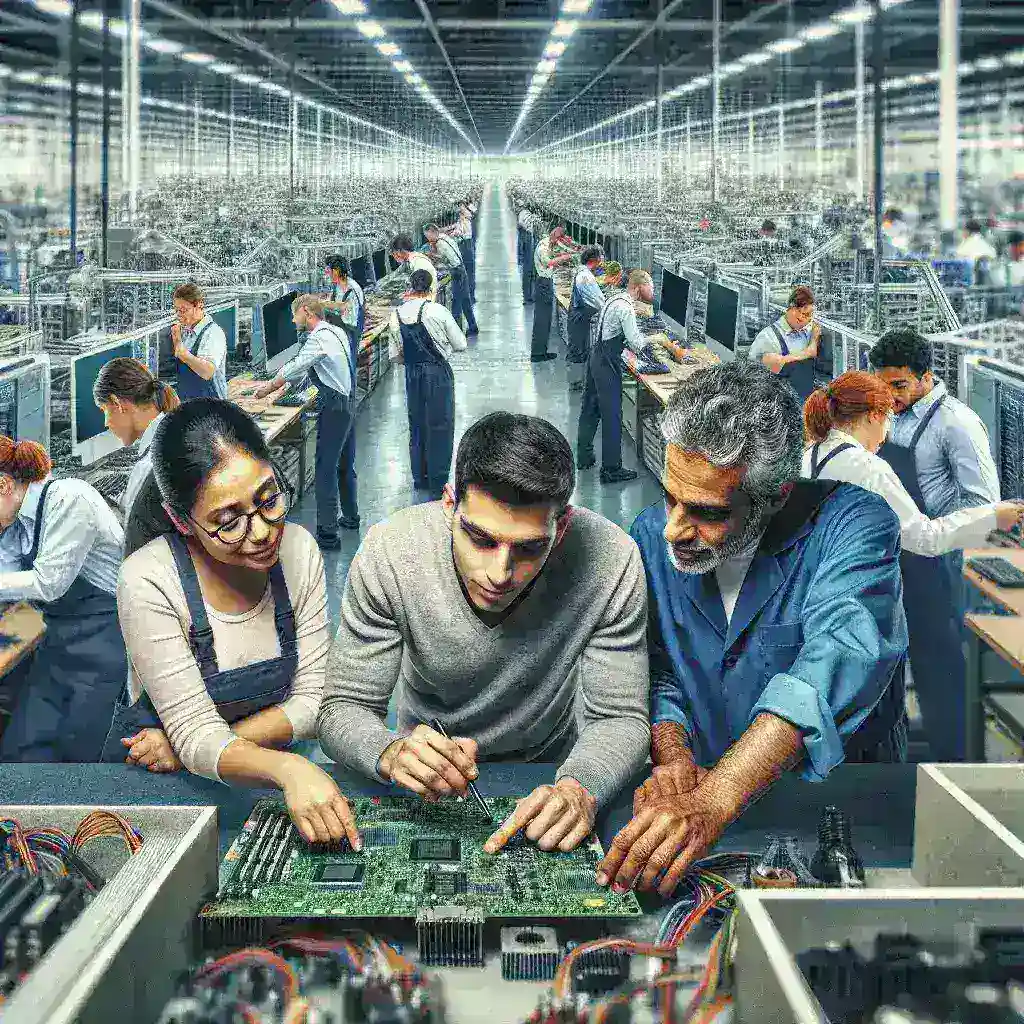
Intel Expands Its U.S. Manufacturing Workforce with New Training Programs
Introduction
In a significant move to bolster its presence in the U.S. tech landscape, Intel has announced the expansion of its manufacturing workforce through a series of new training programs. This initiative not only underscores Intel’s commitment to manufacturing excellence but also reflects the growing demand for skilled labor in the semiconductor industry. As new technologies emerge and global competition intensifies, the need for a highly trained workforce has never been more critical.
Historical Context
Intel, a pioneer in the semiconductor industry, has a rich history dating back to its founding in 1968. Over the decades, the company has played a crucial role in shaping the modern computing landscape. However, the recent global chip shortage has highlighted vulnerabilities in supply chains and the importance of domestic manufacturing capabilities. In response, Intel is taking proactive steps to not only increase production but also to ensure that its workforce is well-prepared to meet future challenges.
The New Training Programs
Intel’s new training programs are designed to provide employees with the skills necessary to excel in a rapidly evolving technological environment. Key components of these programs include:
- Technical Skill Development: Focusing on advanced manufacturing processes, automation, and quality control to enhance production efficiency.
- Leadership Training: Preparing employees for supervisory roles to foster a culture of innovation and continuous improvement.
- Safety and Compliance: Ensuring that workers are well-versed in safety regulations and compliance standards essential for semiconductor manufacturing.
Partnerships with Educational Institutions
To enhance the effectiveness of its training initiatives, Intel has partnered with local community colleges and technical schools. These collaborations aim to create a strong talent pipeline by offering:
- Internships: Providing students with hands-on experience in semiconductor manufacturing.
- Scholarships: Supporting the education of future engineers and technicians.
- Certification Programs: Offering recognized certifications that enhance employability.
Future Predictions
As Intel invests in its workforce, several trends are likely to emerge in the manufacturing sector:
- Increased Automation: With the rise of Industry 4.0, manufacturing will continue to integrate advanced technologies such as AI and IoT, requiring workers to adapt to new tools and methodologies.
- Focus on Sustainability: Future programs may place greater emphasis on sustainable manufacturing practices, aligning with global efforts to reduce carbon footprints.
- Diversity and Inclusion: A stronger focus on creating an inclusive workforce that reflects the diverse society in which we live.
Pros and Cons of the Initiative
While the expansion of Intel’s workforce through training programs presents numerous advantages, there are also challenges to consider:
Pros:
- Strengthened Domestic Manufacturing: By expanding its workforce, Intel can reduce reliance on overseas suppliers.
- Job Creation: New positions will be created, benefiting the local economy.
- Enhanced Skills: Workers will gain valuable skills that are applicable across various roles in technology.
Cons:
- Short-term Investment: Initial costs of training programs may be high.
- Workforce Displacement: Some existing employees may require reskilling to keep pace with new technologies.
Real Examples of Success
Similar initiatives by other companies have proven successful in enhancing the workforce. For instance, companies like Siemens and General Electric have established apprenticeship programs that have resulted in increased productivity and employee satisfaction. These models can serve as benchmarks for Intel as it rolls out its training initiatives.
Cultural Relevance
The expansion of training programs resonates strongly in today’s cultural context. As technology continues to permeate every aspect of life, the importance of a skilled workforce cannot be overstated. This initiative by Intel not only addresses current market demands but also emphasizes the company’s role as a leader in fostering a culture of learning and innovation.
Conclusion
Intel’s decision to expand its U.S. manufacturing workforce through new training programs represents a forward-thinking approach to addressing the challenges of the semiconductor industry. By investing in its employees, Intel is not just preparing for the future; it is shaping it. As the demand for skilled labor continues to rise, initiatives like these will play a crucial role in ensuring that the United States remains competitive in the global technology market.
Call to Action
For those interested in learning more about Intel’s training programs or exploring career opportunities, visit Intel’s official website for more information.